Parking the RV for the winter is more than turning off the key and walking away. Cold nights, moisture, and months of sitting can be hard on plumbing, batteries, tires, and seals. A little prep now can prevent cracked lines, dead batteries, musty smells, and surprise repairs when you are ready for your first spring trip.
Why Taking Winter Storage Seriously Pays Off Later
An RV is basically a house and a vehicle combined, which means it has more systems that can suffer in winter than a regular car. Water left in the plumbing can freeze and split fittings. Batteries slowly discharge and form sulfate. Moist coastal air can sneak inside and leave you with mildew and odors.
Most of the “spring surprise” repairs we see on RVs started as small storage mistakes. Spending a little time to drain, clean, and protect the RV before it sits can save quite a bit of money and hassle when camping season comes back around.
Plan Where and How Long the RV Will Sit
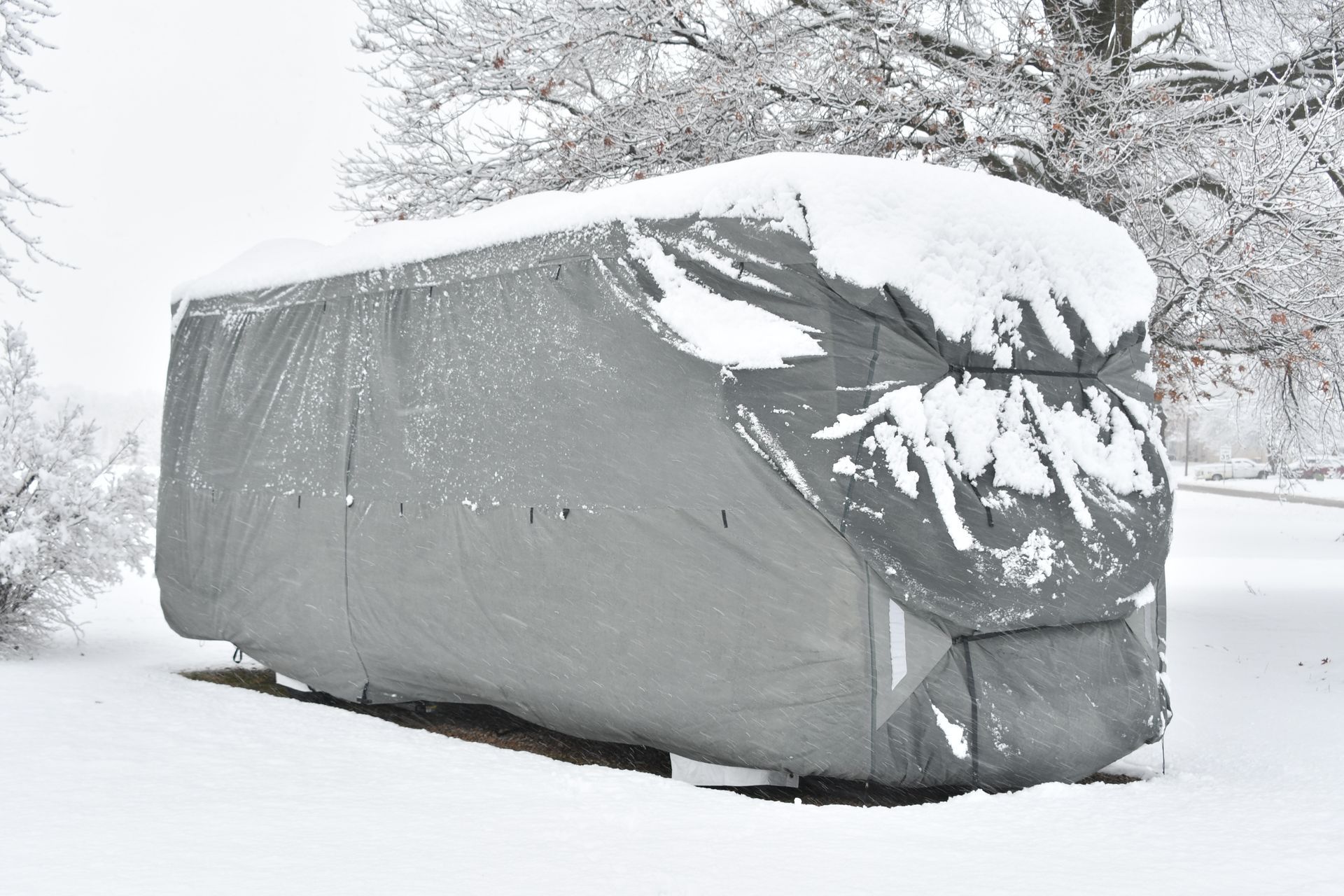
Before you grab any tools, decide where the RV will live over the winter and for how many months. A covered spot with decent airflow is ideal, but many owners use a driveway or side yard, and that is fine if you plan for it. Try to choose a surface that drains well so the RV is not sitting in standing water after heavy rain.
If possible, park on level ground, set the parking brake, and use quality wheel chocks. Avoid parking under trees that constantly drop sap, needles, or branches. Making a simple written checklist with your planned storage length helps you remember items like fuel stabilizer, battery care, and how often you want to check on the RV while it is parked.
Protect Fluids, Cooling System, and Fuel
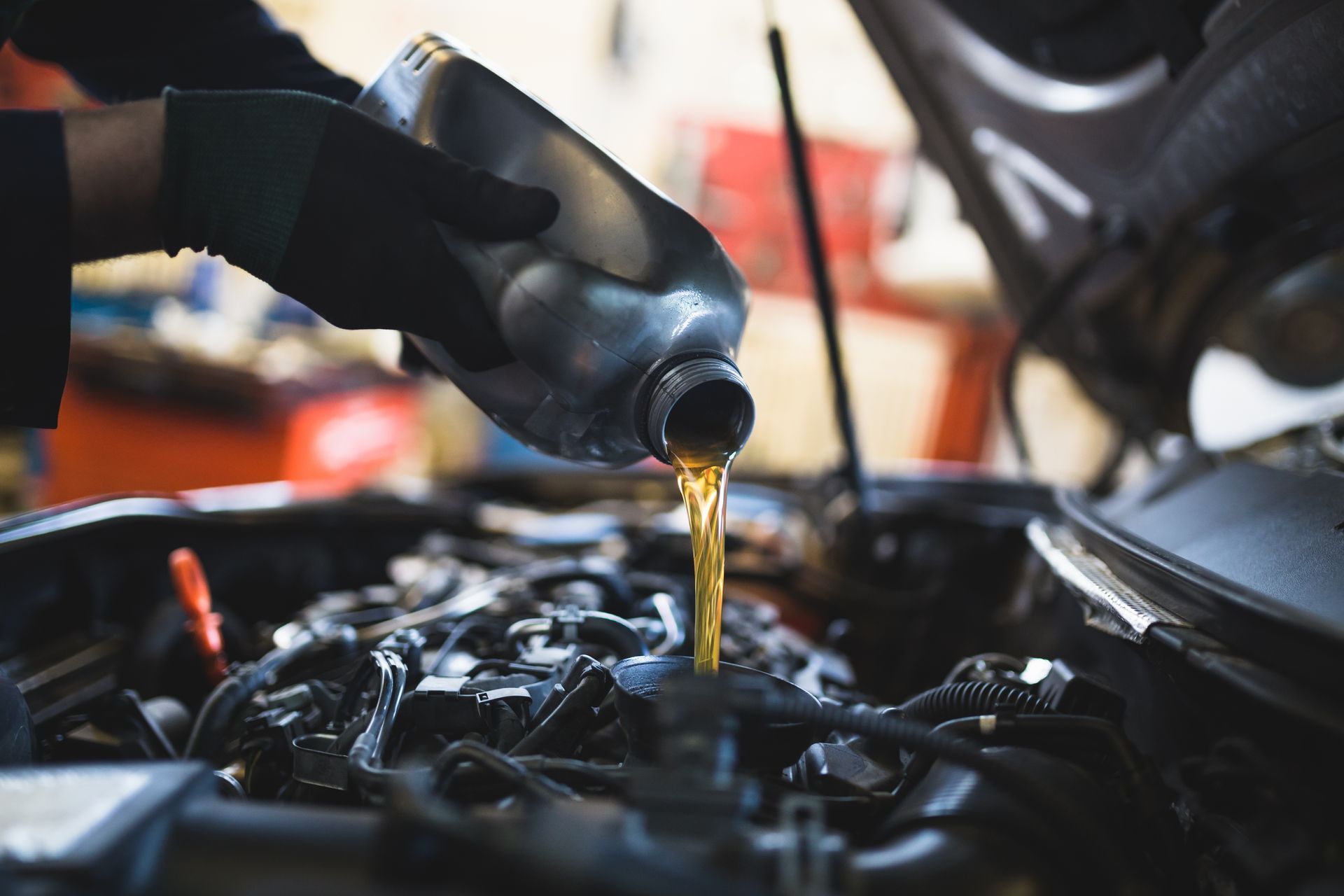
Your RV’s engine and generator still need basic protection while the rig is sitting. An oil change just before storage removes acidic, dirty oil that would otherwise sit on bearing surfaces all winter. That fresh oil gives you a cleaner start in the spring.
Fuel can go stale over several months. For gasoline engines, a good fuel stabilizer in a nearly full tank helps reduce condensation and varnish. Running the engine and generator briefly after adding it helps circulate treated fuel through the system. Coolant should be in good condition and at the proper strength so any cold snaps do not stress the cooling system. If it has been many years since a coolant service, this is a smart time to catch up.
Safeguard Plumbing from Freezing and Odors
The plumbing system is one of the biggest concerns in winter storage. Any water left in lines, pumps, or fixtures can freeze and crack parts, even in areas that do not see deep freezes very often. At a minimum, fresh and waste tanks should be drained and faucets opened to relieve pressure.
Many owners go a step further and winterize with RV-safe antifreeze. A typical approach includes:
- Draining the fresh water tank and water heater and bypassing the heater if possible
- Opening low-point drains and letting lines empty completely
- Using the RV’s pump to pull non-toxic RV antifreeze through faucets, shower, toilet, and outside shower
- Pouring a bit of antifreeze into the sink and shower traps to keep them from drying out
Cleaning and emptying the fridge, freezer, and pantry, then propping doors slightly open, helps prevent mold and stale odors. A quick wipe-down and a couple of moisture-absorbing products inside the cabin can make a big difference by spring.
Tires, Batteries, and Rodent Prevention
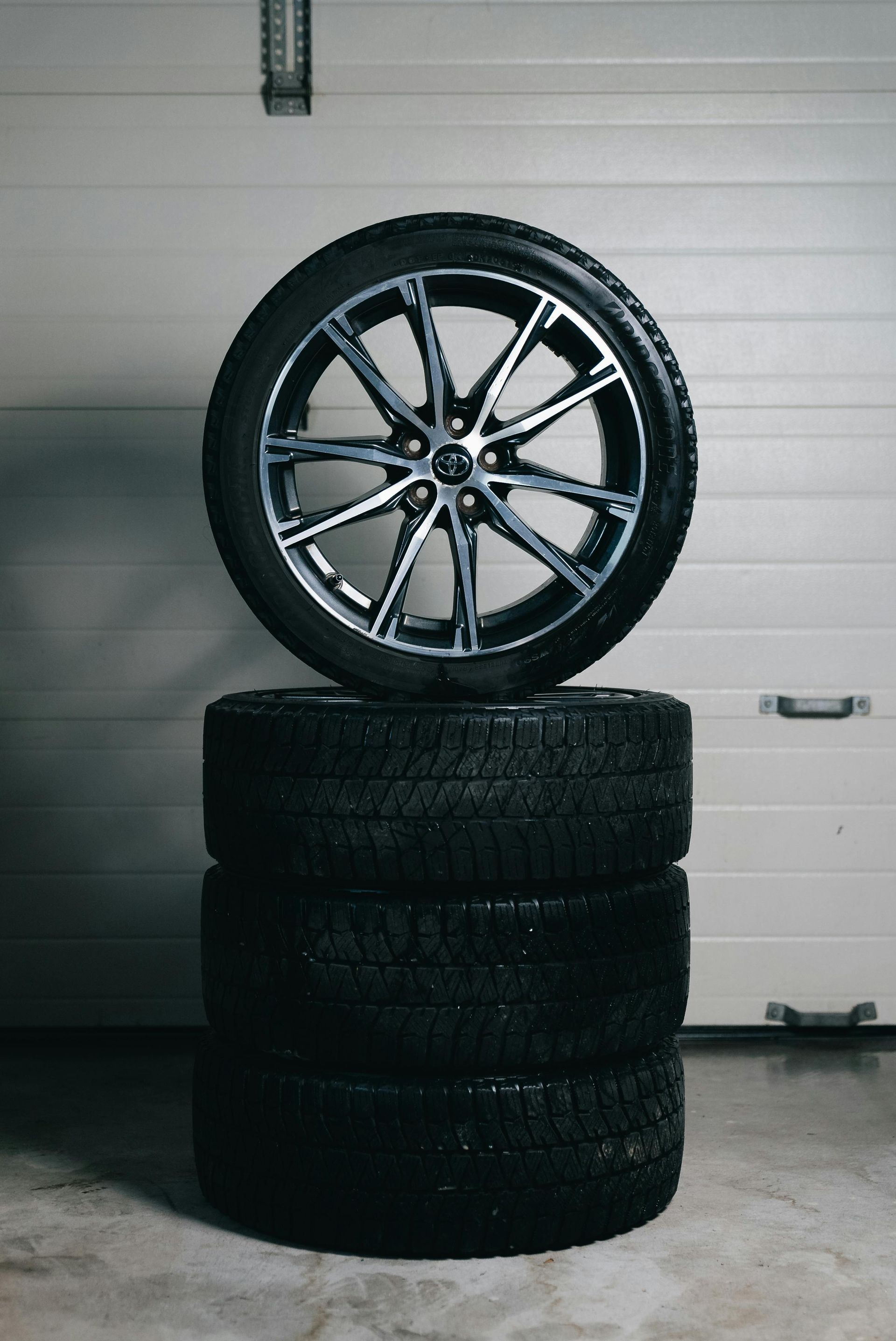
Tires can develop flat spots and dry rot if they sit in one position for months. Inflating them to the correct pressure, parking on boards or pads instead of bare ground, and moving the RV a short distance once in a while can all help. Covering the tires protects them from UV that dries the rubber.
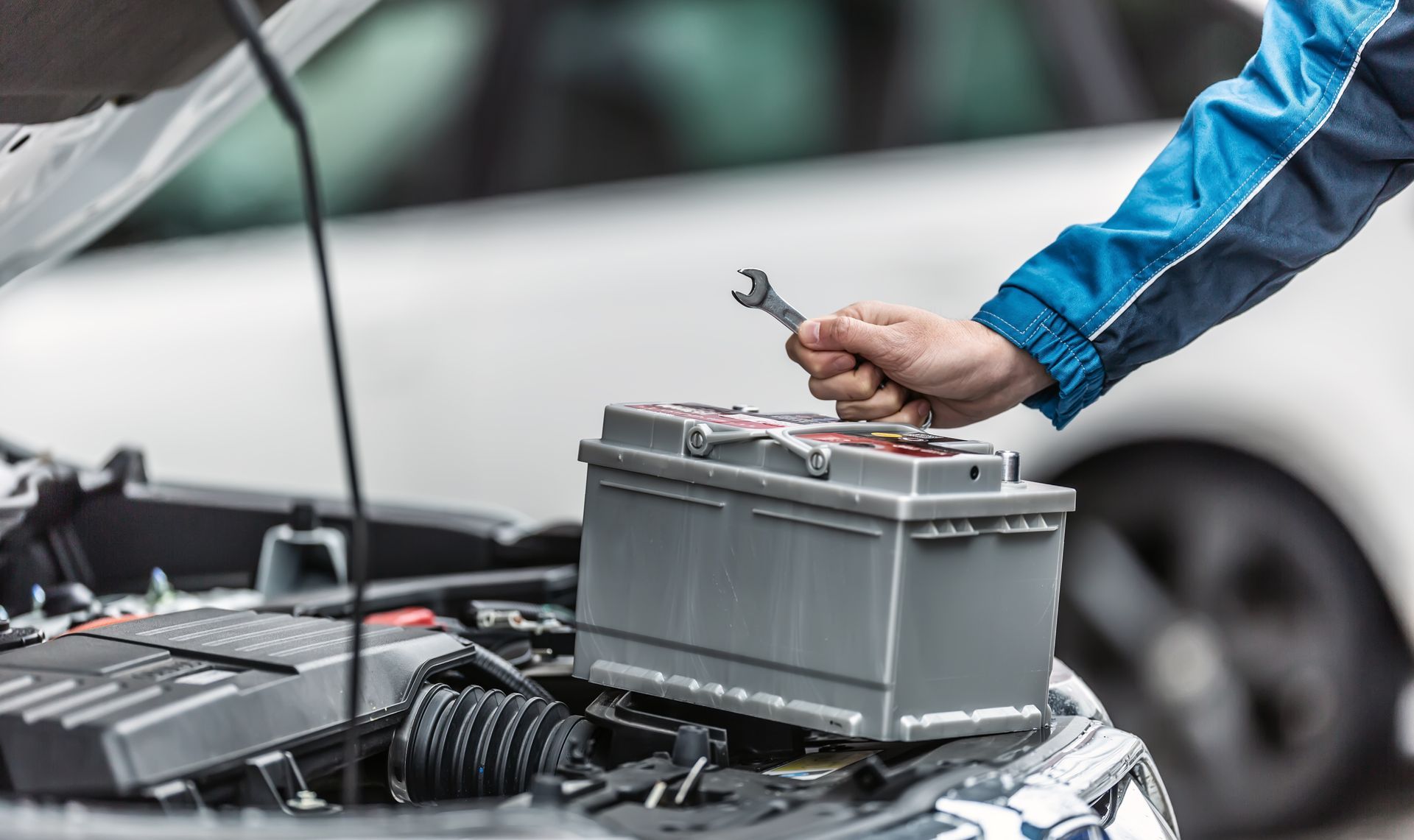
Batteries slowly discharge over time, especially in cold or damp weather. Depending on your setup, you can disconnect them, use a quality maintainer, or follow the manufacturer’s storage recommendations. We suggest labeling cables clearly so it is easy to reconnect everything correctly in the spring.
Rodents see stored RVs as warm, sheltered spaces. Simple steps like sealing food, vacuuming crumbs, closing gaps where wires enter, and using traps or deterrents in storage areas reduce the odds of chewed wiring and nesting in ductwork.
After Storage: Checks Before Your First Trip
When winter is over, do not just fire up the RV and head straight for the highway. A quick spring checklist helps you spot issues before they ruin a trip. Walk around the RV and look for any signs of moisture intrusion, roof damage, or chewed wiring. Check tire pressures, fluid levels, and visible hoses and belts under the hood.
Once you reconnect the batteries and remove any covers, start the engine and let it idle until it reaches normal temperature while you listen for odd noises. Test lights, signals, slide-outs, furnace, water pump, and appliances before you load gear. If anything feels off, it is easier to address it in the driveway than at the campground.
Get RV Winter Storage Prep in Tacoma, WA with Genesis Automotive and RV Repair
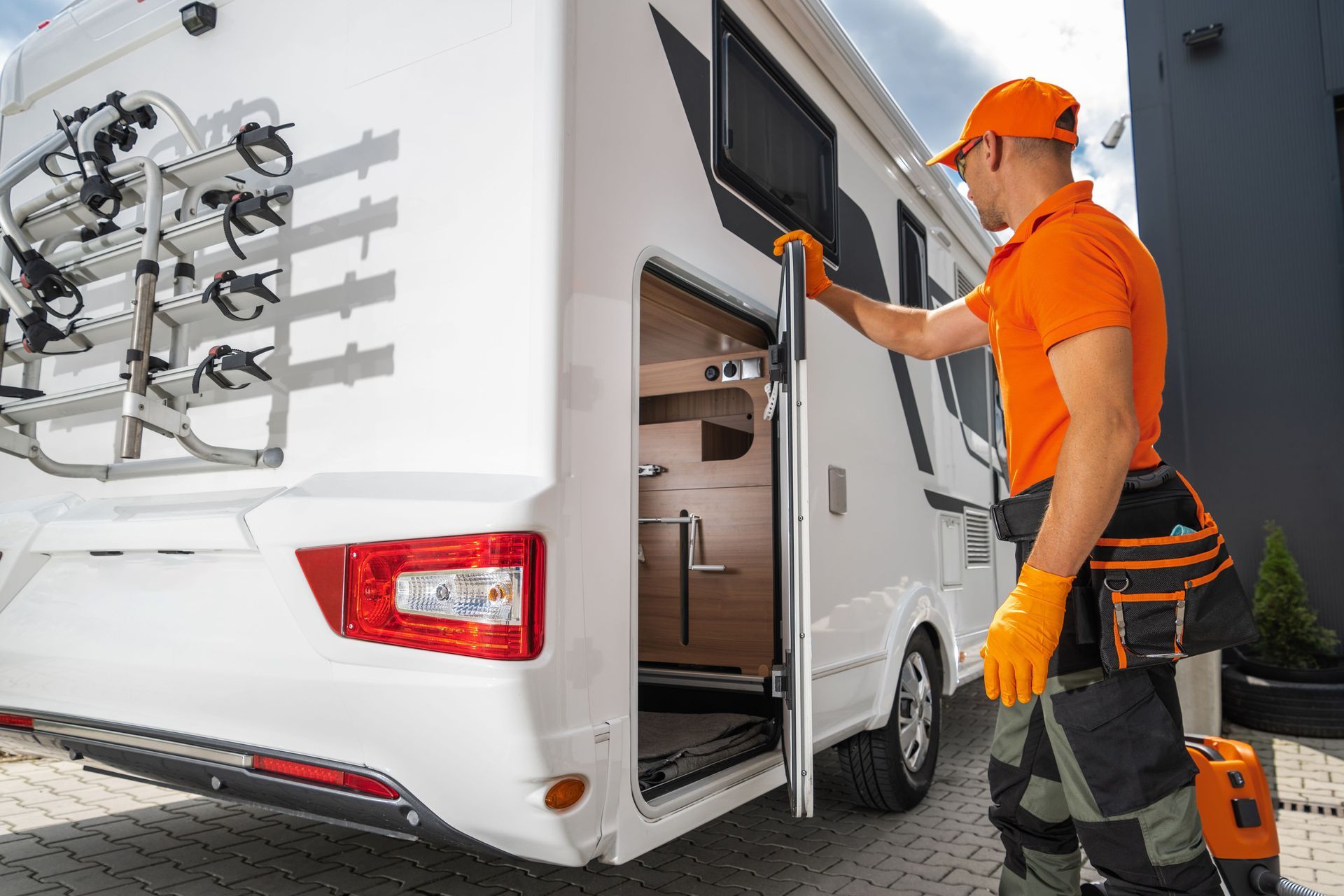
If you want help getting your RV ready for winter, or you would like a professional to look it over before storage, this is a great time to schedule a visit. We can service fluids, winterize plumbing, inspect tires and batteries, and point out any issues that could turn into springtime surprises.
Schedule RV winter storage prep in Tacoma, WA with
Genesis Automotive and RV Repair, and we will help your rig come out of storage ready for the next season of travel.