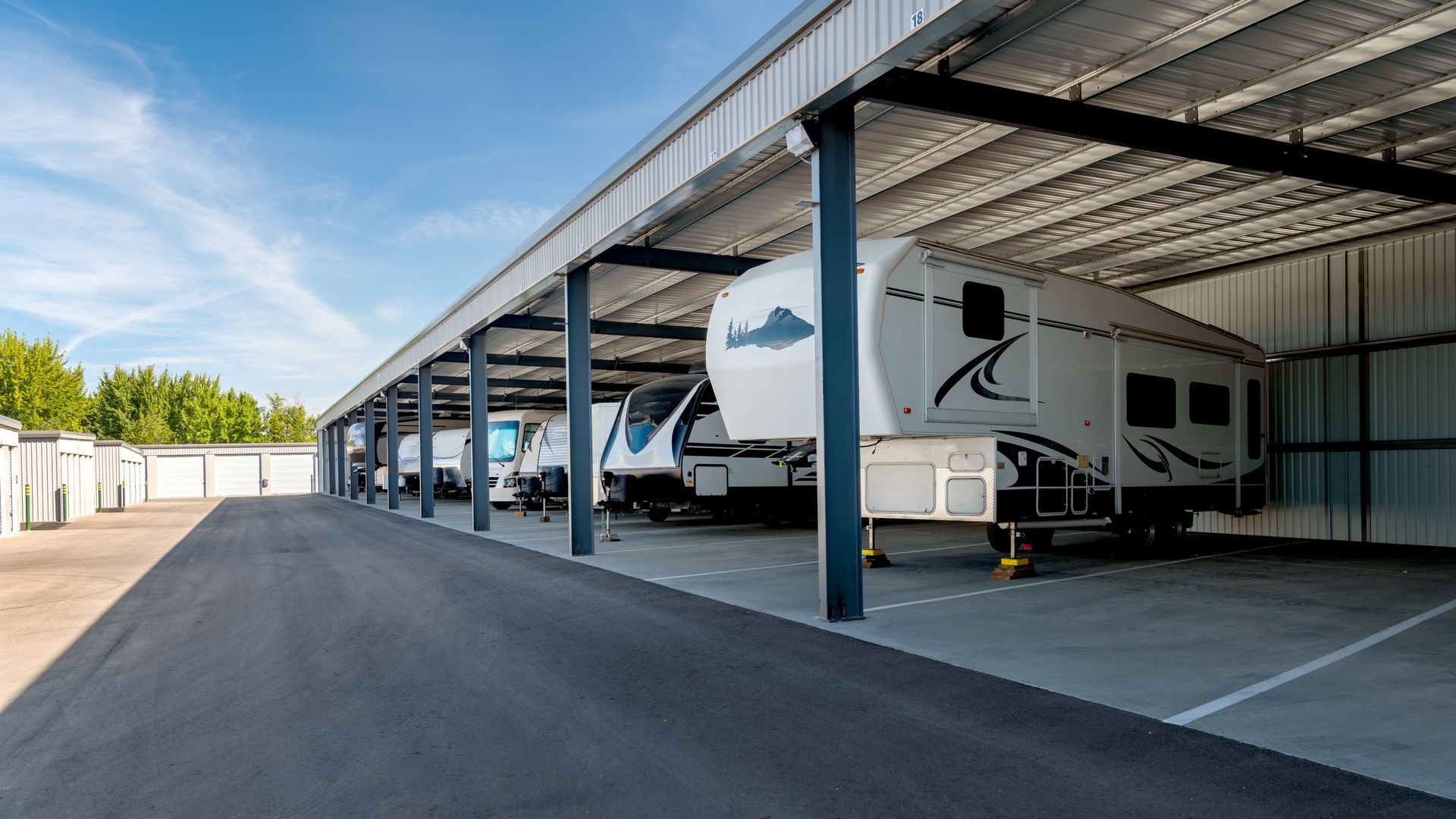
RV trips are supposed to feel relaxing, but the lead-up can get stressful fast. An RV is basically a small house riding on a heavy vehicle platform, and that means small issues can become big problems once you are hours from home. A pre-trip inspection is how you keep “minor” from turning into “roadside.”
This checklist focuses on the three areas that most often decide whether an RV trip stays smooth: tires, brakes, and fluids.
Use it before every longer drive, and especially before towing or heading into heat, hills, or long highway stretches.
Tires: The Fastest Way To Ruin A Trip
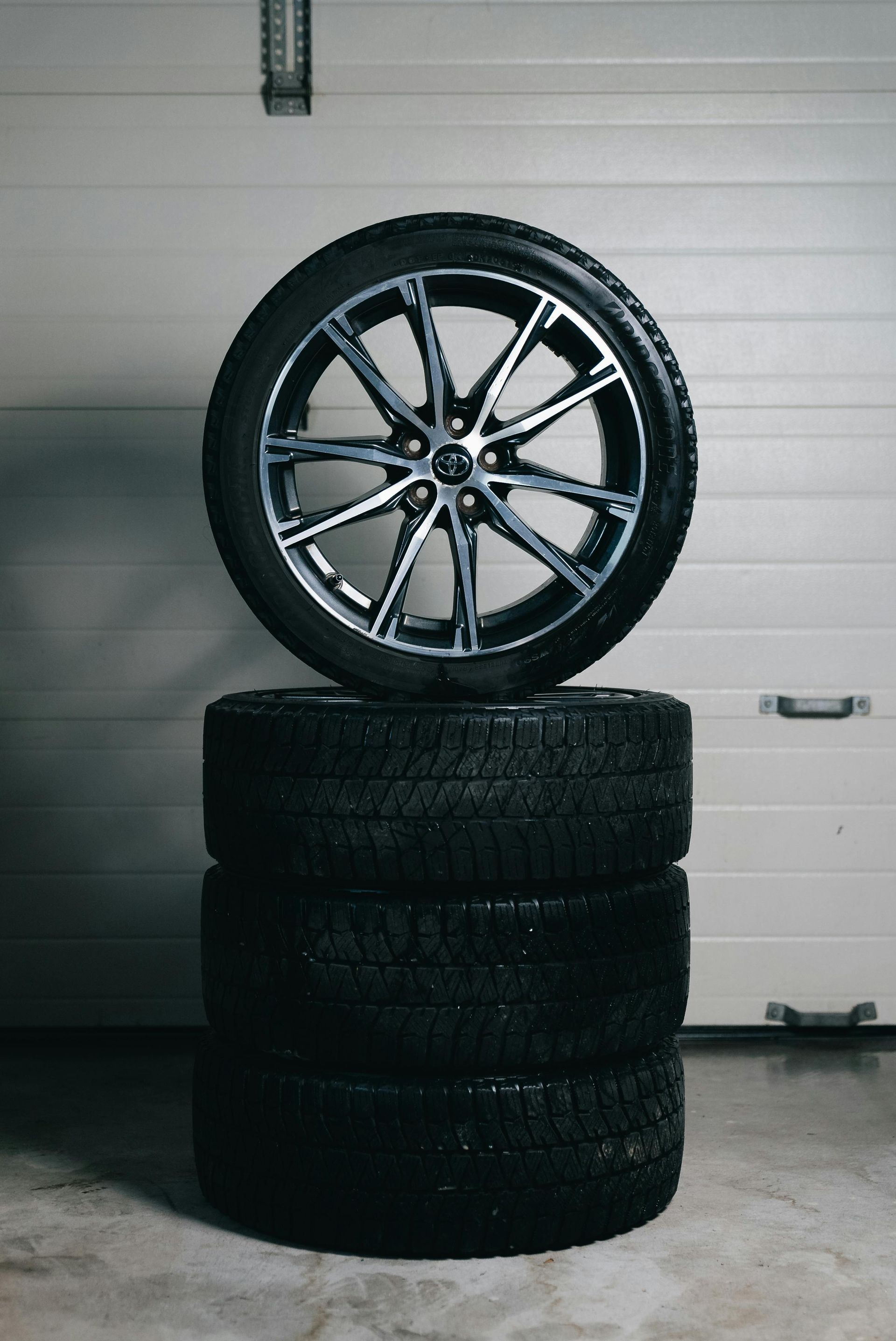
Tires are the most common trip-ender on RVs. They carry a lot of weight, they sit for long periods, and they age even when the tread looks good. Start with pressure, and check it when the tires are cold. Use the pressure spec for your RV and tire load rating, not a generic number.
Then inspect the condition closely. Look at sidewalls, tread, and the areas where the tire meets the wheel. RV tires can look fine from five feet away and still be one pothole away from a blowout.
- Check cold tire pressure on every tire, including the spare.
- Look for sidewall cracking, bulges, or weather-checking.
- Inspect tread for uneven wear, cupping, or exposed cords.
- Confirm tread depth is safe for rain, not just dry roads.
- Check valve stems for cracking and caps for a tight fit.
- Verify lug nuts are present and look for rust trails that hint at looseness.
If your RV has been sitting, also check for flat-spot vibration on the first drive. That can be normal at first, but it should improve as the tires warm up.
Brakes: What To Check Before You Roll
Brakes on an RV have a harder job than most drivers realize. You are stopping more weight, often with more wind resistance and more heat buildup on long grades. Start by checking the feel at low speed in a safe area. The pedal should feel firm and consistent, and the RV should stop straight without pulling.
Listen for noises early. Squeals, grinding, or a metallic scrape are worth addressing before you get on the highway. You also want to confirm the parking brake function, because a weak parking brake can create a nasty surprise on a slope.
- Test brake pedal feel at low speed, and confirm it does not sink slowly.
- Listen for squeal, grinding, or a scrape that repeats every stop.
- Check that braking is straight with no pulling to one side.
- Confirm the parking brake holds the RV on a mild incline.
- Look through the wheels if possible to estimate pad thickness.
- Check for brake fluid leaks around wheels and under the chassis.
If your RV has a trailer brake controller, verify it is working and set correctly. A controller that is too low can overwork the RV brakes, and too high can cause grabbing.
Fluids: A Pre-Trip Routine That Prevents Overheating
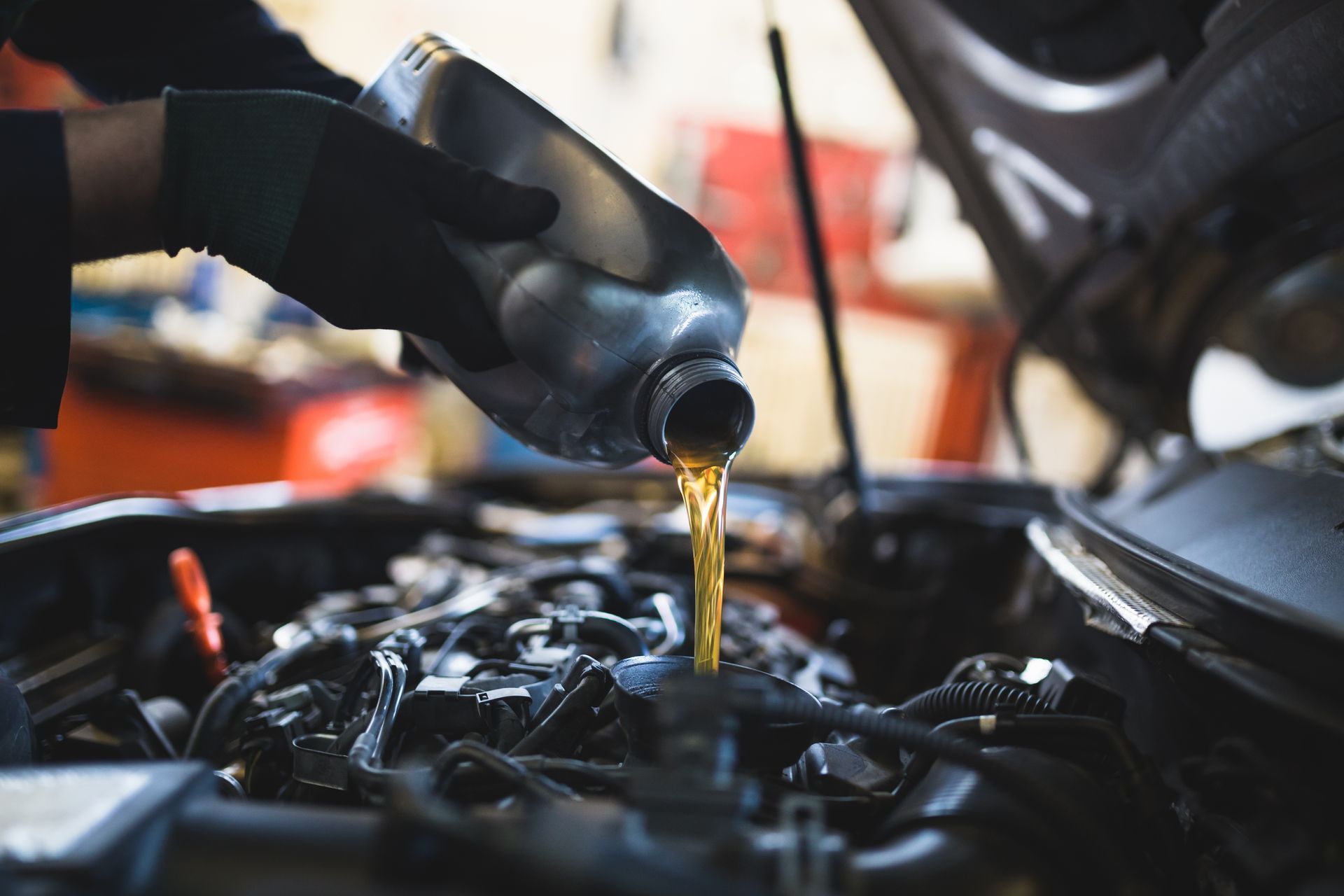
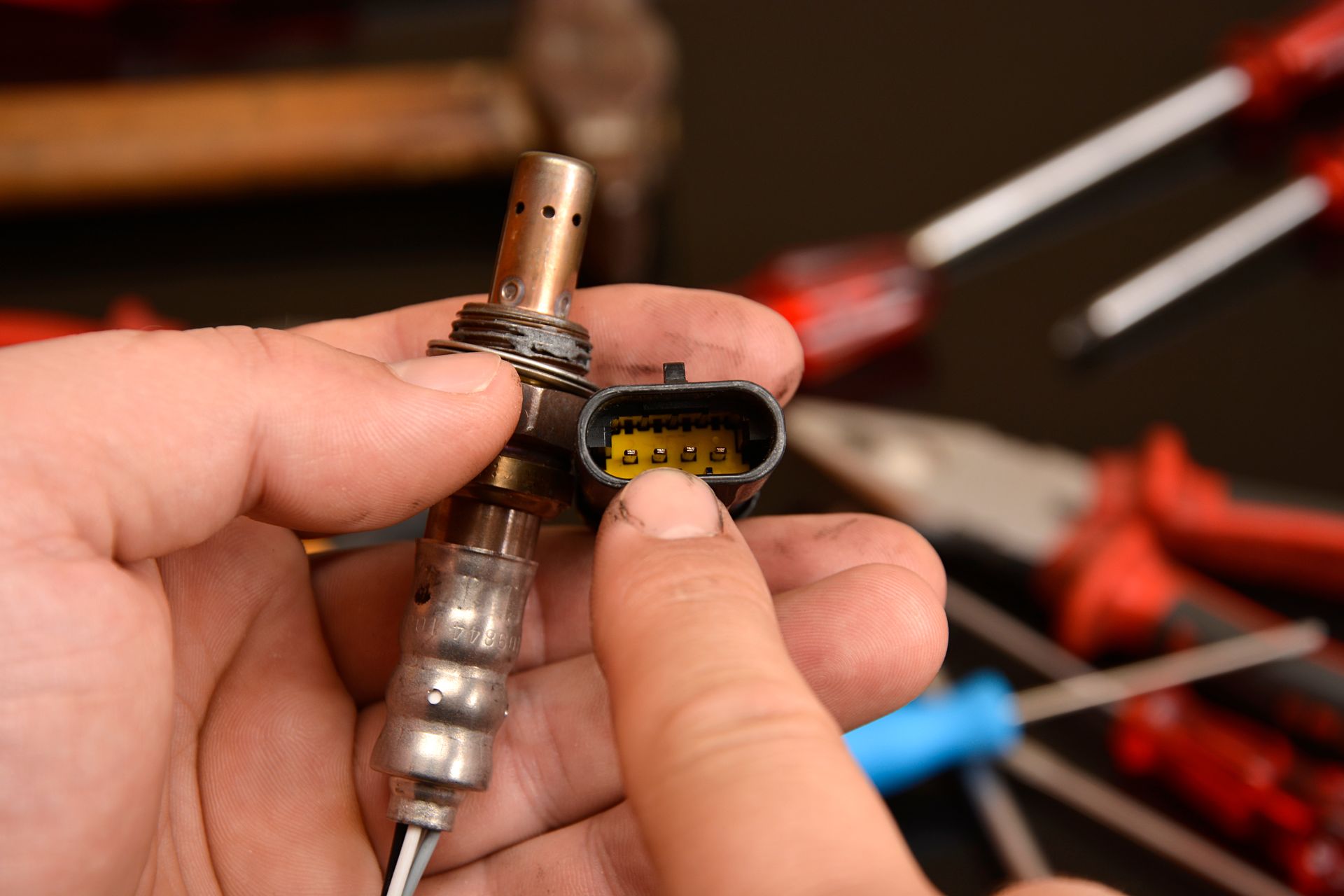
Fluids are what keep the drivetrain alive under load. Heat is the enemy on RV trips, especially in traffic and on hills, and fluids are your buffer. Check the engine oil level first, then the coolant level once the engine is cool. If you are topping off fluids frequently, treat that as a sign to schedule service before the trip.
Transmission fluid matters too, especially if you tow. Low or degraded fluid can lead to slipping, overheating, or harsh shifting, and those issues tend to appear on long drives. Power steering and brake fluid are also worth checking because a small leak can become a real safety problem.
- Check engine oil level and look for a sudden drop since the last trip.
- Check coolant level when cool, and inspect hoses for swelling or crusty residue.
- Check transmission fluid condition if accessible, and note burnt smell or discoloration.
- Confirm brake fluid is at the correct level and does not look very dark.
- Check power steering fluid level on systems that use it.
- Top off washer fluid and confirm wipers clear the windshield cleanly.
If your RV has a generator, check its oil level too. It is easy to forget until you need it.
Underbody And Walkaround: The Quick Catch-All That Helps
Even though this checklist focuses on tires, brakes, and fluids, a fast walkaround prevents silly problems. Look for fresh wet spots under the RV. Check for hanging shields, loose steps, or anything dragging. If you tow, inspect the hitch area and safety chains.
This is also the time to check the lights. Brake lights, running lights, and turn signals matter more than you think when you are driving a large vehicle. If something is dim or flickering, handle it now while parts are easy to find.
Day-Of Departure: A Short Test Drive Plan
Before you hit the highway, take a short loop near home. Listen for new noises and feel for vibration that was not there on the last drive. Pay attention to braking feel and whether the RV tracks straight.
If you smell burning rubber, hear loud squealing, or see the temperature climbing, turn back. It is much easier to fix an issue in your driveway than on the shoulder of the road.
Even five minutes of test-driving can reveal what a checklist cannot.
Get RV Pre-Trip Inspection in Tacoma, WA with Genesis Automotive and RV Repair
We can inspect your RV’s tires, brakes, and fluids, then point out what looks solid and what needs attention before you head out. We’ll also help you prioritize fixes so you are not chasing every minor item at once.
Call or schedule an appointment, and we’ll help you start your trip with confidence.