An oxygen sensor is one of those parts drivers never see, never touch, and rarely think about until the check engine light comes on. By then, the car may still feel fine, which makes the problem seem smaller than it is. The truth is, this sensor has a bigger influence on engine performance than most people realize.
If the engine computer is using bad oxygen sensor data, it starts making fuel decisions based on incorrect information. That affects far more than one warning light.
How Oxygen Sensors Help The Engine Run Correctly
The oxygen sensor measures the amount of oxygen left in the exhaust after combustion. From there, the engine computer determines whether the air-fuel mixture is too rich, too lean, or close to ideal. It keeps adjusting that mixture as the car runs, which helps the engine stay cleaner, more efficient, and more responsive.
That constant feedback is a major factor in how modern vehicles control emissions and fuel use. Without it, the engine is no longer making precise corrections in real time.
Why Most Vehicles Have More Than One
Many drivers think there is just one oxygen sensor somewhere in the exhaust. In reality, most modern vehicles use more than one. There is generally an upstream sensor that helps control the fuel mixture and a downstream sensor that helps monitor catalytic converter performance.
Those sensors do different jobs, so their failure patterns can look different, too. One may affect how the engine runs. The other may trigger a warning light without significantly affecting drivability at first. Either way, both are part of the same system and worth taking seriously.
What Makes Oxygen Sensors Fail
Oxygen sensors live in a brutal environment. They deal with heat, exhaust gases, contamination, and thousands of heating and cooling cycles over their lifespan. With enough time, they simply slow down, lose accuracy, or stop responding the way the engine computer expects.
Contamination makes the problem worse. Oil burning, coolant leaks, poor fuel quality, and carbon buildup can shorten sensor life and cause bad readings sooner than expected. A sensor does not have to fail all at once to start creating trouble. A slow sensor is still a problem.
What Drivers Usually Notice First
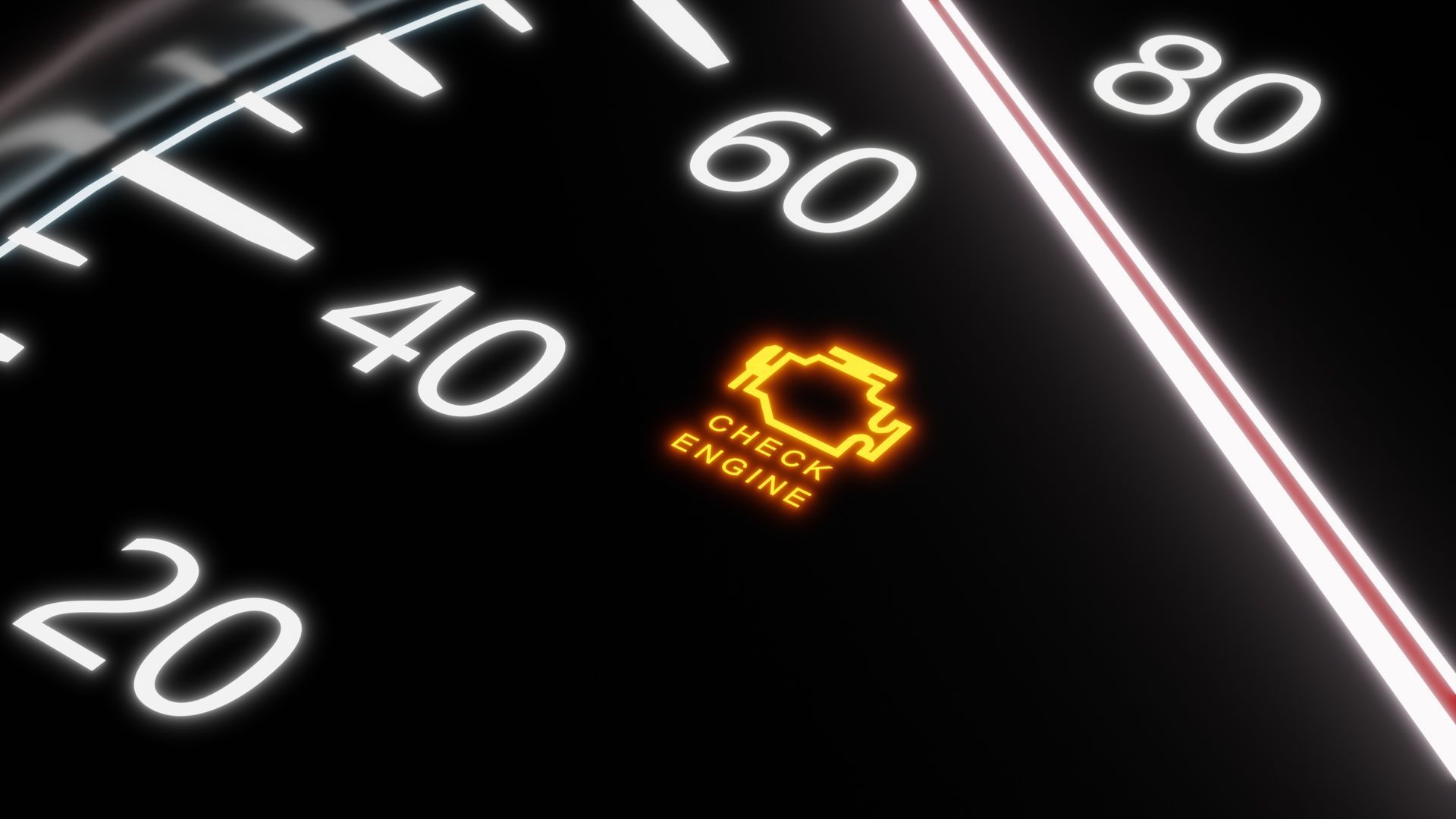
In many cases, the check engine light is the first clue. Sometimes the vehicle still drives well enough that the owner assumes the issue can wait. In other cases, the car starts showing smaller changes before the light appears.
You might notice lower fuel economy, a rougher idle, weaker throttle response, or hesitation that wasn't there before. The engine can still run, but it no longer feels as clean or efficient as it should. That shift is easy to dismiss for a while, especially if it builds gradually.
Why A Bad Oxygen Sensor Causes Bigger Problems
Once the sensor starts feeding bad data to the computer, the fuel control drifts away from its intended position. The engine may run too rich (too much fuel) or too lean (not enough). Either one creates side effects, though rich operation tends to be the more common complaint.
That extra fuel does not just disappear. It puts more stress on the catalytic converter, increases emissions, and lowers fuel economy. A repair that starts with one sensor can become much more expensive if the exhaust system keeps absorbing the consequences.
Why Diagnostics Are So Important Here
An oxygen sensor code does not always mean the sensor itself is the only issue. A vacuum leak, fuel delivery problem, exhaust leak, or ignition issue can affect sensor readings and trigger related faults. That is where proper computer diagnostics become so important.
A good inspection should confirm whether the sensor has failed, whether the wiring is compromised, or whether another problem is creating bad data through the sensor circuit. Replacing parts based on a guess is one of the easiest ways to spend money and still keep the warning light.
Why It Pays To Fix The Problem Early
Drivers get into trouble when they treat an oxygen sensor fault like a minor emissions issue that can sit for months. The car may still run, but the system is no longer working cleanly. Fuel use climbs, the converter works harder, and performance starts slipping in ways the driver slowly adapts to.
This is one of those repairs that stays simpler when handled early. Regular maintenance helps here because small drivability changes and early warning lights get checked before the exhaust system starts paying for them, too.
Get Oxygen Sensor Repair In Tacoma, WA, With Genesis Automotive and RV Repair
If your check engine light is on or your vehicle has started using more fuel, idling rougher, or feeling less responsive, Genesis Automotive and RV Repair in Tacoma, WA, can find out whether the oxygen sensor is the real issue and correct it before the problem spreads deeper into the exhaust and fuel-control system.
Bring it in while the repair is still centered on the sensor and not the more expensive parts around it.