A car that struggles to start can make the battery look guilty right away. The lights are dim, the engine cranks slowly, or the vehicle needs a jump before the day can even begin.
Sometimes the battery is the problem.
Other times, the battery is only the part that gets blamed because another part failed to keep it charged. The alternator, cables, terminals, belt, and electrical connections all play a role in keeping the vehicle powered. Testing the entire system is the only reliable way to determine whether you need a battery replacement or an alternator repair.
The Battery Starts The Vehicle
The battery’s main job is to provide the power needed to start the engine and wake up the vehicle’s electrical systems. Starting takes a lot more energy than running the radio, lights, or dashboard.
That is why a weak battery can still turn on accessories but fail when the starter asks for real power. Drivers often see dashboard lights and assume the battery is fine. Then the engine cranks slowly or only clicks.
Battery age, heat, cold, short trips, long parking periods, and repeated jump starts can all shorten battery life. A proper battery test checks how the battery performs under load, not just how much voltage it shows while sitting.
The Alternator Keeps The Battery Charged
Once the engine is running, the alternator produces electrical power. It runs the vehicle’s systems and recharges the battery after startup. If the alternator is weak, the battery may slowly drain while you drive.
That can make the problem appear to be a bad battery. You may install a new battery, and the vehicle works for a few days, then the same starting problem comes back.
Alternator problems can also cause dim headlights, flickering dashboard lights, weak power windows, a battery warning light, or several warning lights appearing at once. If the vehicle starts after a jump but dies again later, the charging system needs attention.
Slow Cranking Usually Starts With Battery Testing
Slow cranking is one of the most common battery symptoms. The engine turns over, but it sounds tired or slower than usual. In colder weather, a weak battery may become more obvious because the engine takes more effort to crank.
A battery with low capacity may not recover well after a jump. It may start once, then struggle again the next morning. Corroded terminals or loose cable ends can make the same symptom worse because power cannot move cleanly.
An inspection should include the battery, terminals, cables, and grounds. Replacing the battery without checking the connections can leave the real problem in place.
A Battery Light Points Toward The Charging System
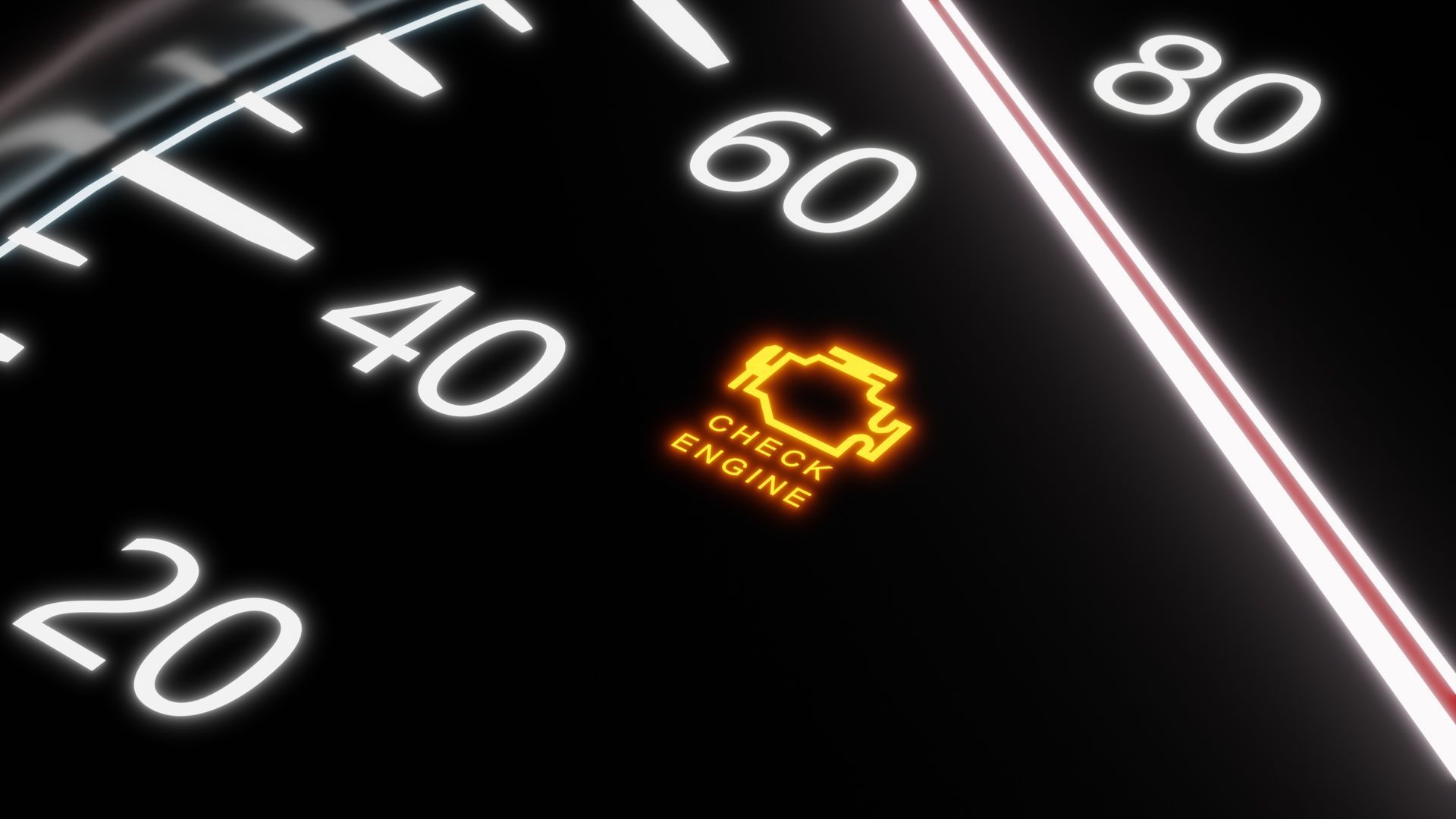
The dashboard battery light can be misleading because it uses a battery symbol. When that light comes on while driving, it often means the charging system is not working correctly.
The alternator may not be producing enough voltage. The belt may be slipping. A cable or ground may be loose. The battery may also be too weak to accept or hold a charge properly.
If the battery light stays on, do not ignore it because the vehicle still runs. The car may be using stored battery power. Once that power drops too low, the engine can stall and may not restart.
Electrical Problems Can Overlap
Symptoms of a battery and an alternator can look very similar. A weak battery can strain the alternator. A failing alternator can drain a good battery. A loose ground can make both parts appear faulty.
Bad connections can create strange symptoms, too. The vehicle may start one day and fail the next. Warning lights may flicker. Accessories may work inconsistently. A cable can look fine outside while corrosion hides inside the insulation.
That overlap is why testing matters. Charging voltage, cranking voltage, alternator output, cable resistance, terminal condition, belt condition, and grounds all help separate the real cause from the symptom.
Do Not Forget The Belt
Alternators are driven by the serpentine belt. If the belt is cracked, glazed, loose, contaminated with oil, or the tensioner is weak, the alternator may not spin correctly.
A slipping belt can cause a squeal, especially at startup or when accessories are running. The battery light may flicker, or the charging system may work sometimes but not consistently.
Regular maintenance helps catch worn belts, weak batteries, dirty terminals, and early signs of charging issues before the vehicle leaves you stuck. These small checks are easy to overlook until the electrical system starts acting up.
Testing Saves You From Replacing The Wrong Part
A good starting and charging inspection should not stop at one part. The battery may need replacement, the alternator may need repair, or the problem may be a cable, belt, ground, or electrical draw.
A parasitic draw is another possibility. That means something is using power while the vehicle is parked and turned off. A glove box light, a stuck relay, an aftermarket accessory, or a module issue can drain the battery overnight.
The right test prevents parts from being replaced too quickly. It also gives you a clearer plan if more than one issue is involved.
Get Battery And Alternator Service In Tacoma, WA, With Genesis Automotive and RV Repair
If your vehicle cranks slowly, needs jump starts, shows a battery light, or has electrical problems, Genesis Automotive and RV Repair in Tacoma, WA, can test the battery, alternator, cables, grounds, belt, and charging system.