A check engine light can feel vague on purpose. It does not tell you whether the car needs a simple repair, a sensor check, or something more involved. It just shows up on the dashboard, leaving you wondering how worried you should be.
That warning is not meant to be ignored, but it also should not lead straight to panic. A modern vehicle stores information when something falls outside its expected range. Our technicians use that information as a starting point, then compare it with how the vehicle actually runs, sounds, smells, and performs.
The Trouble Code Is Only Step One
The first thing many drivers ask about is the code. A scan tool can pull the stored trouble code and point toward a system, such as fuel trim, misfires, oxygen sensor activity, evaporative emissions, catalytic converter efficiency, or airflow readings.
That code is helpful, but it is not a complete diagnosis. A code may mention an oxygen sensor, but the real cause could be an exhaust leak, vacuum leak, wiring issue, or fuel delivery problem. The code gives direction. Testing confirms the repair.
How The Car Was Running When The Light Came On
Many vehicles store freeze-frame data when a fault appears. That snapshot can show engine speed, temperature, vehicle speed, fuel trim, load, and other readings from the moment the computer noticed the issue.
That information helps answer useful questions. Was the engine cold or warm? Was the car idling or accelerating? Was the fault happening under load? A check engine light that appears during highway driving may tell a different story than one that appears right after startup.
Signs Of Engine Misfires
Misfires are a common cause of a check engine light. A misfire means one or more cylinders are not burning fuel correctly. The car may shake, hesitate, idle roughly, or feel weak. Sometimes the driver barely feels it at all.
Our technicians look at misfire counts, spark plug condition, ignition coils, fuel injector operation, compression, wiring, and intake leaks. A flashing check engine light gets more attention because it can indicate unburned fuel reaching the exhaust. That can damage the catalytic converter if the vehicle keeps being driven hard.
Air And Fuel Balance
Engines need the right mix of air and fuel to run correctly. Too much fuel can create poor fuel economy, fuel smells, fouled spark plugs, and catalytic converter stress. Too much air or not enough fuel can cause hesitation, a rough idle, and higher engine temperatures.
Fuel trim readings help show how much the computer is adjusting to keep the engine running. If those numbers are far from normal, the next step may include checking for vacuum leaks, dirty airflow sensors, cracked intake hoses, weak fuel pressure, exhaust leaks, or injector concerns.
Sensor Readings That Do Not Match Reality
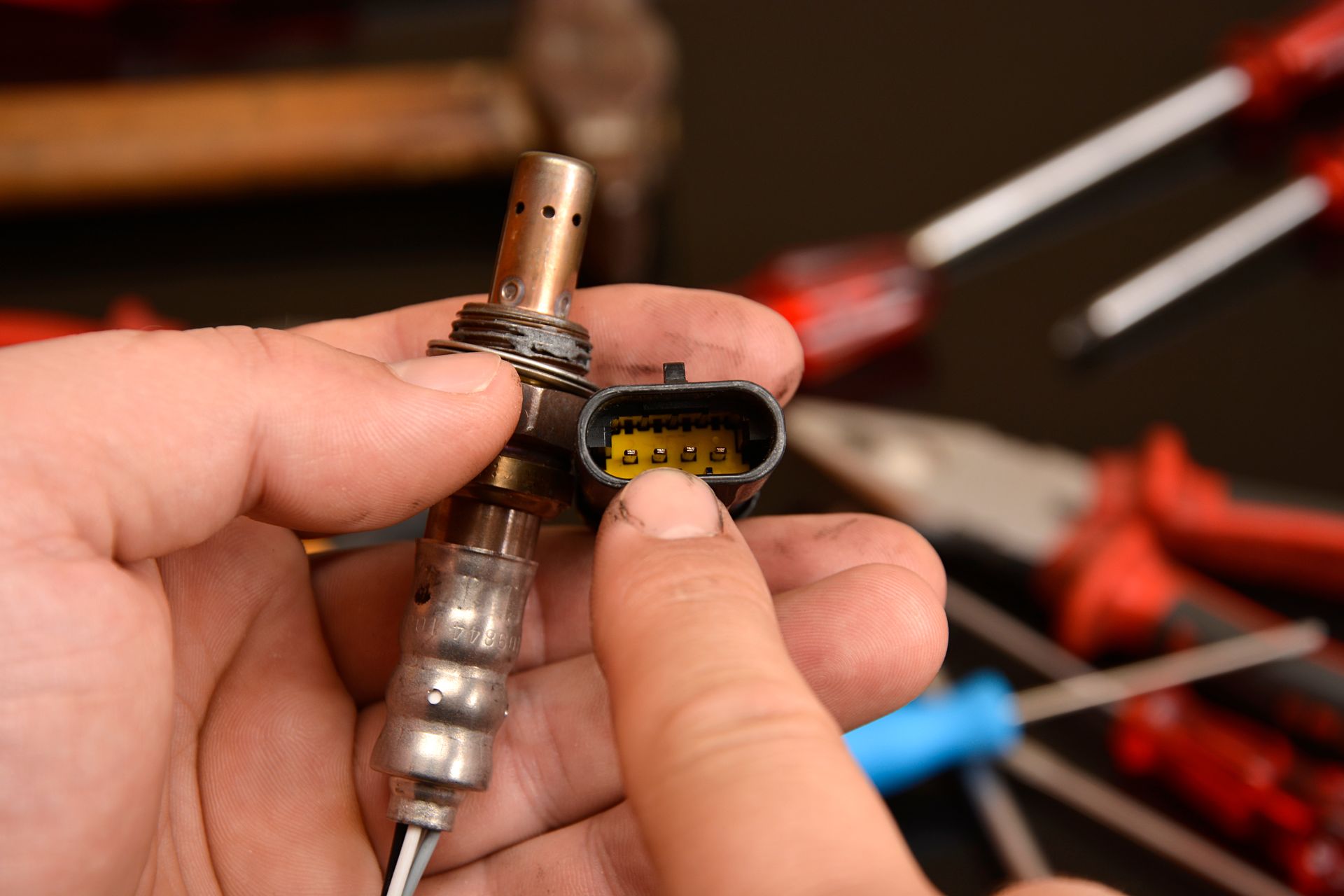
Modern engines rely on sensors for nearly every decision. Oxygen sensors, mass airflow sensors, coolant temperature sensors, camshaft sensors, crankshaft sensors, throttle position sensors, and fuel pressure sensors all send information to the computer.
A sensor can fail, but it can also report a real problem. That distinction is important. Replacing a sensor because the code named it can waste money if the sensor was only reacting to something else. Live data helps show whether readings make sense compared with engine temperature, throttle position, fuel control, and driving conditions.
Visual Clues Under The Hood
A scan tool cannot see everything. Some of the best clues still come from looking closely under the hood. Loose connectors, rubbed wiring, cracked hoses, oil leaks, coolant leaks, broken intake boots, damaged belts, and poor battery connections can all affect engine operation.
A visual inspection can also show whether the problem has been building for a while. Oil residue near a valve cover, coolant crust around a hose, or a loose air duct after a filter change can explain symptoms that the computer only reports indirectly. Regular maintenance helps catch many of these small issues before they trigger warning lights.
Emissions System Problems
Some check engine lights come from the evaporative emissions system. That system controls fuel vapors and keeps them from escaping into the air. A loose gas cap, cracked hose, faulty purge valve, canister problem, or small leak can turn the light on even when the car seems to drive normally.
Other emissions-related concerns may involve oxygen sensors, catalytic converters, air injection systems, or exhaust leaks. These issues can be quiet at first. The vehicle may feel fine while fuel economy drops or emissions performance changes in the background.
Why Clearing The Light Is Not A Repair
Clearing a check engine light can make the dashboard look normal for a little while, but it does not fix the cause. If the fault is still present, the light will return after the vehicle completes its self-tests again.
A proper diagnostic considers the code, freeze-frame data, live readings, road-test results, visual clues, and any symptoms the driver has noticed. That full process helps avoid replacing parts too quickly. It also gives you a clearer answer about what needs repair now and what should be monitored.
Get a Check Engine Light Diagnostic In Tacoma, WA, With Genesis Automotive and RV Repair
If your check engine light is on, flashing, or coming back after being cleared, Genesis Automotive and RV Repair in Tacoma, WA, can test the system and explain what our technicians find.