Diesel and gasoline engines perform the same basic job, but they create power in different ways. A gasoline engine uses spark plugs to ignite an air-and-fuel mixture. A diesel engine compresses air until it becomes hot enough for injected fuel to ignite. That difference affects the fuel system, engine oil, emissions equipment, and service needs.
Diesel engines are often built for towing, hauling, and long-distance use, but that strength does not make them maintenance-free. Their parts operate under high compression and fuel pressure, so skipped services can lead to costly injector, turbocharger, or emissions-system repairs. Following a plan designed for the engine is more useful than treating it like a gasoline vehicle with a different fuel tank.
Diesel Engine Oil Has A Demanding Job
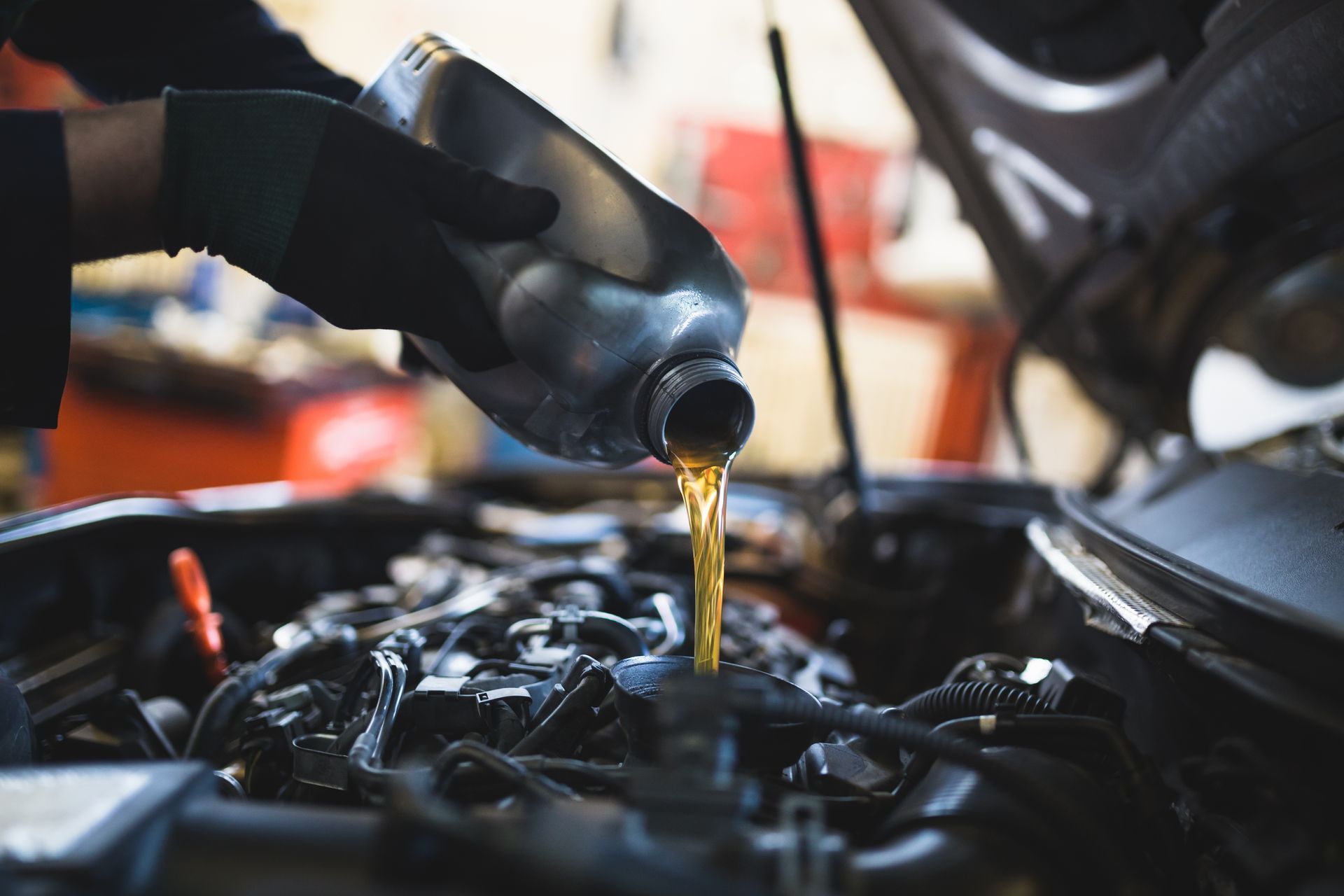
Diesel combustion creates soot that can enter the engine oil. The oil must hold that contamination in suspension while protecting bearings, cylinder walls, turbocharger components, and other moving parts. Using an oil that does not meet the engine manufacturer’s specification can reduce protection and interfere with emissions-system performance.
Oil-change intervals depend on the engine, oil type, driving habits, idle time, and workload. A truck used for towing or repeated short trips may need attention sooner than one driven mainly on longer highway routes. Checking the oil level between services is also important because leaks, turbocharger wear, and internal consumption can lower it without an immediate warning.
Fuel Filters Are Especially Important On Diesels
Diesel fuel systems use extremely precise pumps and injectors. Dirt, rust, water, or other contamination can damage those components or change the injector spray pattern. That is why diesel engines often use one or more fuel filters, sometimes with a water separator that needs periodic draining.
A restricted filter may cause longer cranking, hesitation, weak acceleration, or reduced power under load. Water in the fuel can lead to corrosion and poor combustion. Replacing filters as part of regular maintenance is far less expensive than repairing a high-pressure pump or a complete set of injectors.
Glow Plugs Replace Spark Plugs For Cold Starting
Diesel engines do not use spark plugs for combustion. Many use glow plugs to warm the cylinders during cold starts. A failed glow plug may not prevent a warm engine from starting, but it can cause extended cranking, rough operation, or white exhaust smoke when temperatures drop.
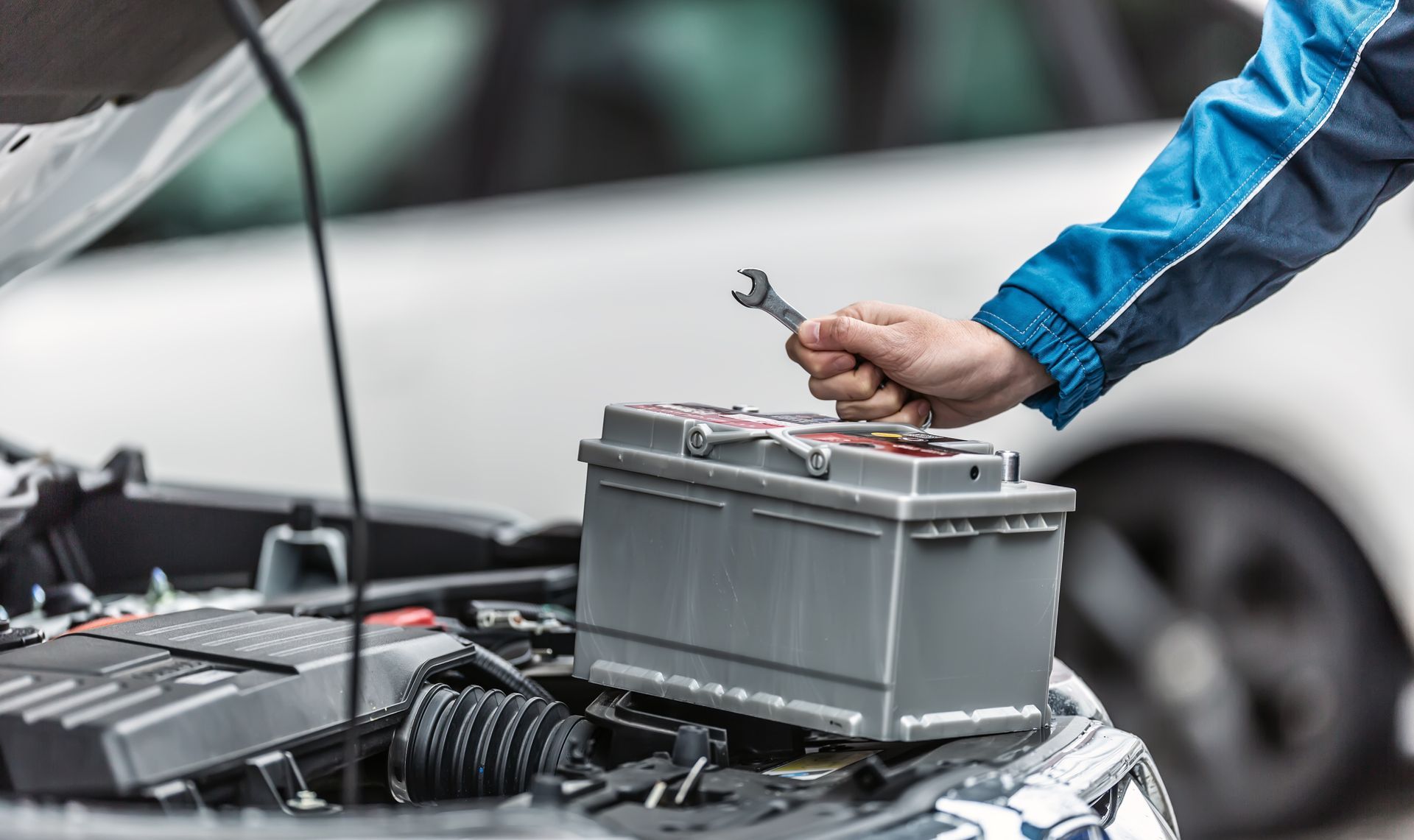
The glow plug control module, relay, wiring, and battery condition also affect starting. Replacing every glow plug without testing the electrical system may not correct the concern. Diesel engines need strong cranking speed, so the batteries, starter, cables, and grounds deserve close attention before cold weather.
Turbochargers Need Clean Oil And Proper Cooldown
Many diesel engines use a turbocharger to force more air into the cylinders. The turbo can spin at very high speed and operates near extremely hot exhaust gases. It depends on clean engine oil for lubrication and cooling.
Oil supply problems, extended service intervals, intake leaks, and restricted filters can shorten turbocharger life. Warning signs may include reduced power, excessive smoke, oil consumption, unusual whining, or a rushing sound from a damaged boost hose. After heavy towing or climbing, briefly allowing the engine to operate at a light load can help temperatures stabilize before shutdown, when the manufacturer recommends it.
Diesel Emissions Systems Need Specific Care
Modern diesel vehicles may use exhaust gas recirculation, a diesel particulate filter, diesel exhaust fluid, and selective catalytic reduction. These systems reduce harmful emissions, but they can develop trouble when the engine produces excessive soot or does not complete its cleaning cycles.
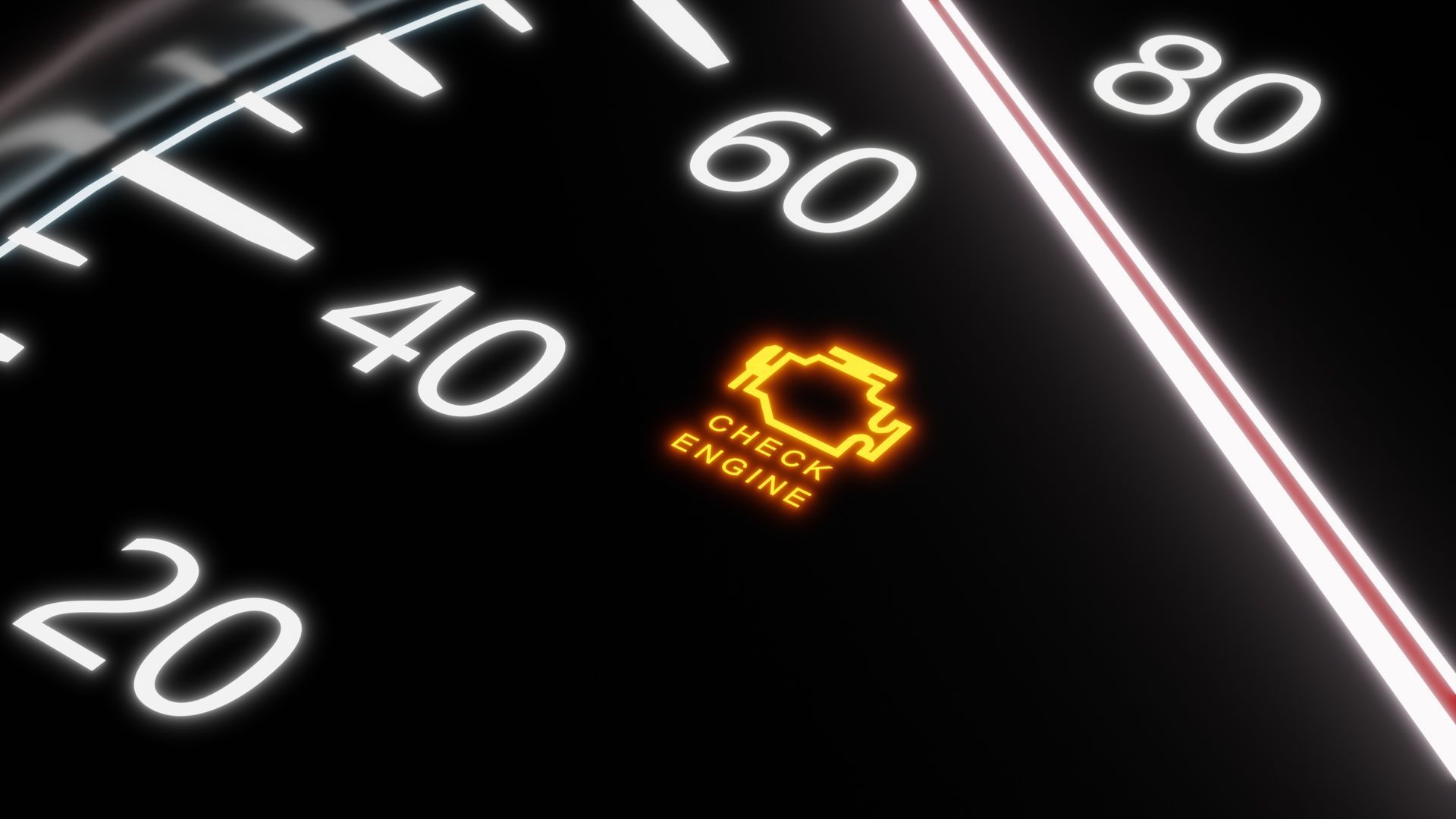
Short trips and long periods of idling can prevent the particulate filter from reaching the temperature needed for regeneration. Drivers may notice frequent regeneration, reduced fuel economy, a hot exhaust smell, or a warning on the dashboard. The following concerns deserve prompt testing:
- A DPF or exhaust system warning appears.
- The engine enters reduced-power mode.
- Regeneration cycles occur more frequently.
- Diesel exhaust fluid consumption changes suddenly.
- The truck produces unusual smoke.
- Fuel economy drops without a change in workload.
Clearing a warning without correcting its cause can allow the filter to become more restricted. Injector problems, boost leaks, EGR faults, temperature sensors, and incorrect oil can all increase soot buildup.
Cooling Systems Work Hard Under Heavy Loads
Diesel engines create substantial heat while towing, hauling, or climbing. The radiator, water pump, thermostat, cooling fans, hoses, and charge-air cooler must remove that heat while the vehicle is working. A small coolant leak can become much more serious when the engine is under sustained load.
An inspection should look for dried coolant residue, swollen hoses, weak caps, damaged fan components, and debris restricting airflow through the cooling stack. Coolant type also needs to match the engine’s requirements. Mixing incompatible fluids can reduce corrosion protection and create deposits inside the system.
Driving Habits Affect Diesel Service Needs
A diesel used for long highway drives may reach operating temperature regularly and complete emissions-system regeneration without much driver involvement. One used for short errands, extended idling, or constant low-speed work may collect soot and moisture more quickly.
Towing, dusty roads, and heavy loads also affect oil, filters, transmission fluid, differentials, and cooling-system service. Maintenance should reflect how the vehicle is actually used rather than relying only on mileage. Engine hours can provide useful context on vehicles that spend significant time idling.
Get Diesel Maintenance In Tacoma, WA, With Genesis Automotive and RV Repair
Genesis Automotive and RV Repair in Tacoma, WA, can service diesel engine oil, fuel filters, glow plug systems, turbochargers, cooling systems, and emissions components.