An oil change has the same basic purpose whether you drive a compact car, a full-size pickup, or a motorhome. Old engine oil is removed, the filter is replaced when required, and the engine is refilled with oil that meets its specifications. The amount of oil, the filter, the required specification, and sometimes the service interval change.
That difference becomes more noticeable as vehicles get larger or work harder. A commuter car making short trips around town has a different workload from a pickup towing a trailer or a motorhome carrying thousands of pounds of equipment down the highway. We look at the engine and how the vehicle is used rather than treating every oil change as the same job.
Cars Often Have Very Specific Oil Requirements
Modern passenger cars commonly use lower-viscosity oils designed to reduce friction and work with tighter engine clearances. The correct viscosity is important, but it is only part of the specification.
Some engines require oil that meets a particular manufacturer standard for turbochargers, emissions equipment, variable valve timing, or extended service intervals. Simply pouring in an oil with the right number on the bottle does not always mean it is the correct product.
At our shop, we check the requirements for the exact engine. A turbocharged four-cylinder sedan can have very different oil needs from an older naturally aspirated car even though both are used for the same daily commute.
SUVs May Need More Oil or Different Service Based on the Engine
SUV is a body style, not an oil specification. Some SUVs share small engines with passenger cars, while others use larger V6, V8, turbocharged, hybrid, or diesel powertrains.
That means two SUVs parked side by side can require different viscosities, oil capacities, filters, and service intervals. Driving conditions count too. Frequent short trips, long periods of idling, towing, and heavy stop-and-go traffic can place additional demands on the oil.
We also check for oil leaks and consumption during an inspection. Larger vehicles sometimes accumulate many highway miles without obvious symptoms, so noticing a drop in the level between services can be just as important as changing the oil itself.
Pickup Trucks Can Put Much More Load on the Oil
Pickup trucks are often asked to tow, haul cargo, idle for long periods, or work in hot and dusty conditions. Those jobs can increase engine temperature and load compared with normal commuting.
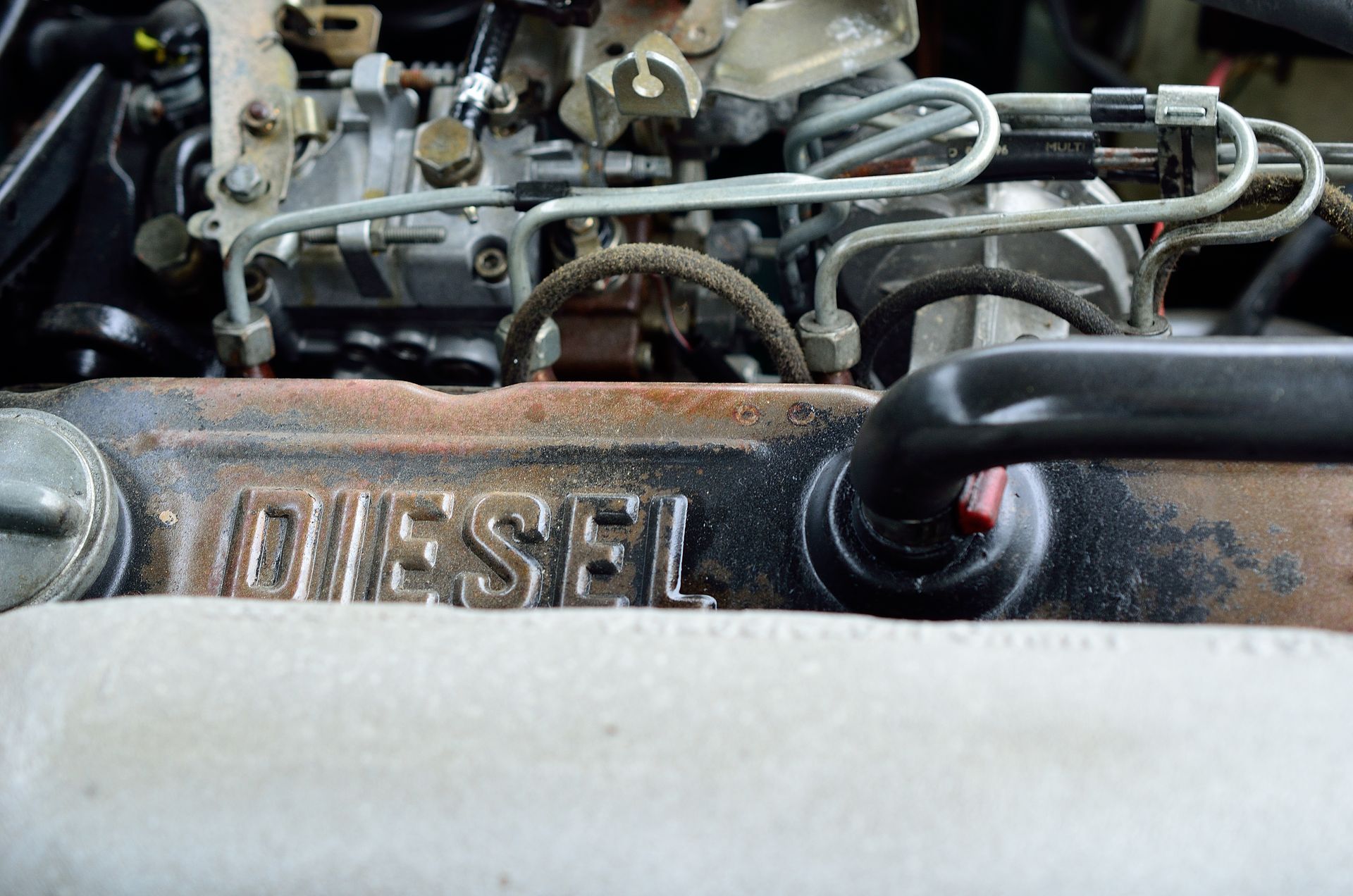
The correct oil becomes especially important when the truck is working hard. Diesel pickups have their own oil specifications, and many modern diesel oils are formulated to work with emissions equipment such as diesel particulate filters.
Truck oil changes can also involve:
- Larger oil capacities
- Heavy-duty filters
- Diesel-specific oil specifications
- Different intervals for severe service
- Extra checks for leaks after towing or hauling
- More underbody access equipment because of vehicle size
A truck that spends its life commuting empty may not need the same service approach as the same model pulling a heavy trailer every week.
Motorhomes Bring Their Own Oil Change Considerations
Motorized RVs can require substantially more room, equipment, and oil than a typical passenger vehicle. Their engines may be gasoline or diesel, and some are built on heavy-duty trucks or commercial chassis.
Vehicle weight does not directly determine which oil goes into the engine, but the engine and chassis specifications do. Access can also be different. Some motorhomes have engine compartments accessed from underneath, through an interior cover, or from the rear.
Motorhomes often sit for long periods too. That means service decisions may need to consider time as well as mileage. An RV that travels only a few thousand miles a year still has oil exposed to moisture, temperature changes, and repeated periods of storage.
Travel trailers and fifth wheels, of course, do not have propulsion engines, so there is no engine oil change for the trailer itself.
An RV Generator May Have a Separate Oil Schedule
Many motorhomes have an onboard generator with its own small engine. That generator does not share engine oil with the motorhome's main engine.
It has its own oil capacity, filter requirements where equipped, and maintenance schedule based largely on operating hours. A motorhome can therefore be current on its chassis engine oil service while the generator oil is overdue.
One thing we check with RV owners is what has actually been serviced. Keeping records for both the vehicle engine and generator prevents one system from being forgotten simply because the other was handled recently.
Oil Change Intervals Depend on Use, Not Just Vehicle Size
A larger vehicle does not automatically need its oil changed more frequently. The proper interval depends on the engine, oil specification, manufacturer schedule, operating conditions, and sometimes an electronic oil-life monitoring system.
Regular maintenance should reflect how the vehicle is used. Short trips, extended idling, towing, severe heat, dusty environments, and long periods of storage can all influence service planning.
The important part is using the right oil and filter and checking the engine's actual condition at each visit. A one-size-fits-all oil change doesn't make sense when vehicles are doing very different jobs.
Get Car, Truck, SUV And RV Oil Change Service In Tacoma, WA, With Genesis Automotive and RV Repair
Whether you drive a car, SUV, pickup truck, or motorhome, Genesis Automotive and RV Repair in Tacoma, WA, can match the oil change to your engine, vehicle type, and how you use it.