You cross a patched section of road and the car takes a second sideways step after the tires hit it. You need to correct the steering wheel, and the body keeps moving after the bump has passed. Slowing down helps, but the same stretch of pavement never used to feel this unsettling.
Describe that movement separately from any noise. A thump, a bounce, and a sideways dart can come from different faults. This distinction helps determine whether the tires are losing contact, a wheel is changing position, or the body is moving more than the suspension can control.
Start With the Tires After a Hard Impact
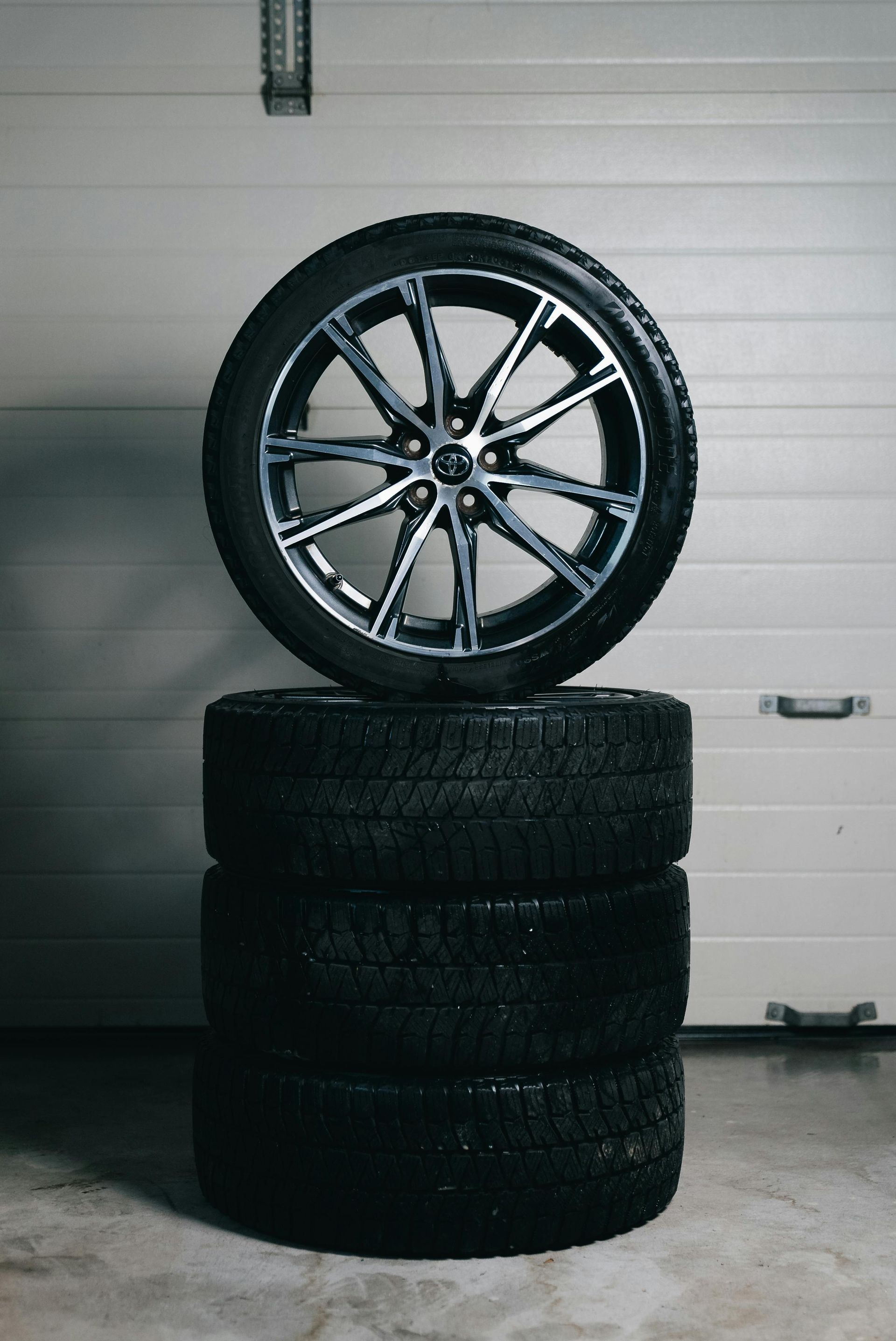
A pothole can damage a tire internally or bend a wheel without leaving an obvious dent. Check for a pressure loss, sidewall bulge, cuts, or a new vibration that began immediately after the impact. A tire with a bulge or exposed cord isn't a candidate for another test drive to see whether it improves.
Even without impact damage, incorrect pressures or uneven tread can change how the car reacts to broken pavement. Use the vehicle's pressure label and check the tires when they're cold. At our shop, we compare all four tires before discussing shocks or alignment. Different construction, mismatched sizes, and uneven wear can affect handling even when each tire still holds air.
Continued Bouncing Points Toward Poor Damping
Springs let the wheels move over road changes; shocks and struts control how quickly that movement settles. When damping weakens, a wheel can continue moving after the original bump. From the driver's seat, that can feel like floating, repeated bouncing, or a rear end that skips across closely spaced ridges.
A dry shock isn't automatically healthy. Internal wear can reduce damping without an obvious external leak, and a driveway push-down is a limited test. Road behavior, mounting condition, tire wear, and a hands-on examination belong together. A harsh ride can also come from a binding component, so stiffer doesn't always mean better controlled.
Loose Bushings Let the Wheels Move Off Their Intended Path
Control arms and links locate the wheels while their bushings allow controlled suspension movement. A separated bushing can let a wheel shift under braking or as it strikes an uneven edge. The result can be a brief steering change rather than the continued vertical bounce associated with weak damping.
Rear suspension wear deserves equal attention. A worn rear link can make the car feel as though the back is steering itself over bumps. Evaluate rubber under the appropriate load because some movement is designed into it. Deep separation, displaced sleeves, and excessive wheel movement mean more than a shallow crack on an exposed surface.
Steering Joints and Wheel Bearings Need a Direct Check
Tie rods transfer steering movement to the wheels, while ball joints connect moving suspension parts. Excessive play can leave wheel direction less controlled during an impact. Wheel-bearing looseness can also affect how securely the assembly stays in place.
Testing depends on suspension design. A joint can appear tight when loaded one way and reveal wear when supported correctly. We use the appropriate procedure rather than treating one wheel-shake test as conclusive. Severe looseness, unpredictable steering, or a wheel sitting abnormally requires the car to stay off the road until we establish its condition.
Ride Height and Loading Change Available Travel
A broken spring or sagging corner reduces the space available for suspension movement. The vehicle can strike a bump stop or react unevenly as one corner reaches its travel limit before the others. Look at ride height on level ground with ordinary cargo removed, not while one tire is sitting in a low spot.
Heavy cargo and aftermarket lowering or lifting changes can create related problems. Tires need appropriate clearance through suspension travel, and altered geometry can affect steering response. Mention recent modifications, towing, or an unusual load during the appointment.
Alignment Comes After the Parts Are Checked
Wheel alignment establishes wheel angles, but it can't hold a loose joint or damaged bushing in position. Adjusting the angles first can produce acceptable numbers on the rack while the wheels still shift on the road. Mechanical faults must be addressed before final alignment settings are evaluated.
A suspension inspection and controlled road test should connect the movement you feel with the parts responsible. Include tire wear and suspension observations in regular maintenance records so gradual changes are easier to compare. Don't deliberately hit potholes to reproduce a severe handling concern. If the car darts unpredictably or won't track safely, arrange transport rather than driving it to demonstrate the problem.
Get Steering And Suspension Service In Tacoma, WA, With Genesis Automotive and RV Repair
Genesis Automotive and RV Repair in Tacoma, WA, can check the tires, wheel alignment, and suspension for the cause of an unstable ride. Describe whether the vehicle bounces, shifts sideways, or both.
Contact us to arrange a handling evaluation and discuss the safest way to bring the vehicle in.