The highway is almost empty, the pavement looks dry, and your vehicle feels stable. Driving above the speed limit may seem less risky when no other cars are nearby. But traffic density is only one part of road safety. Higher speed reduces your room to react to unexpected events and increases the forces involved if something goes wrong, even on a road that appears completely clear.
Empty Roads Still Have Unexpected Hazards
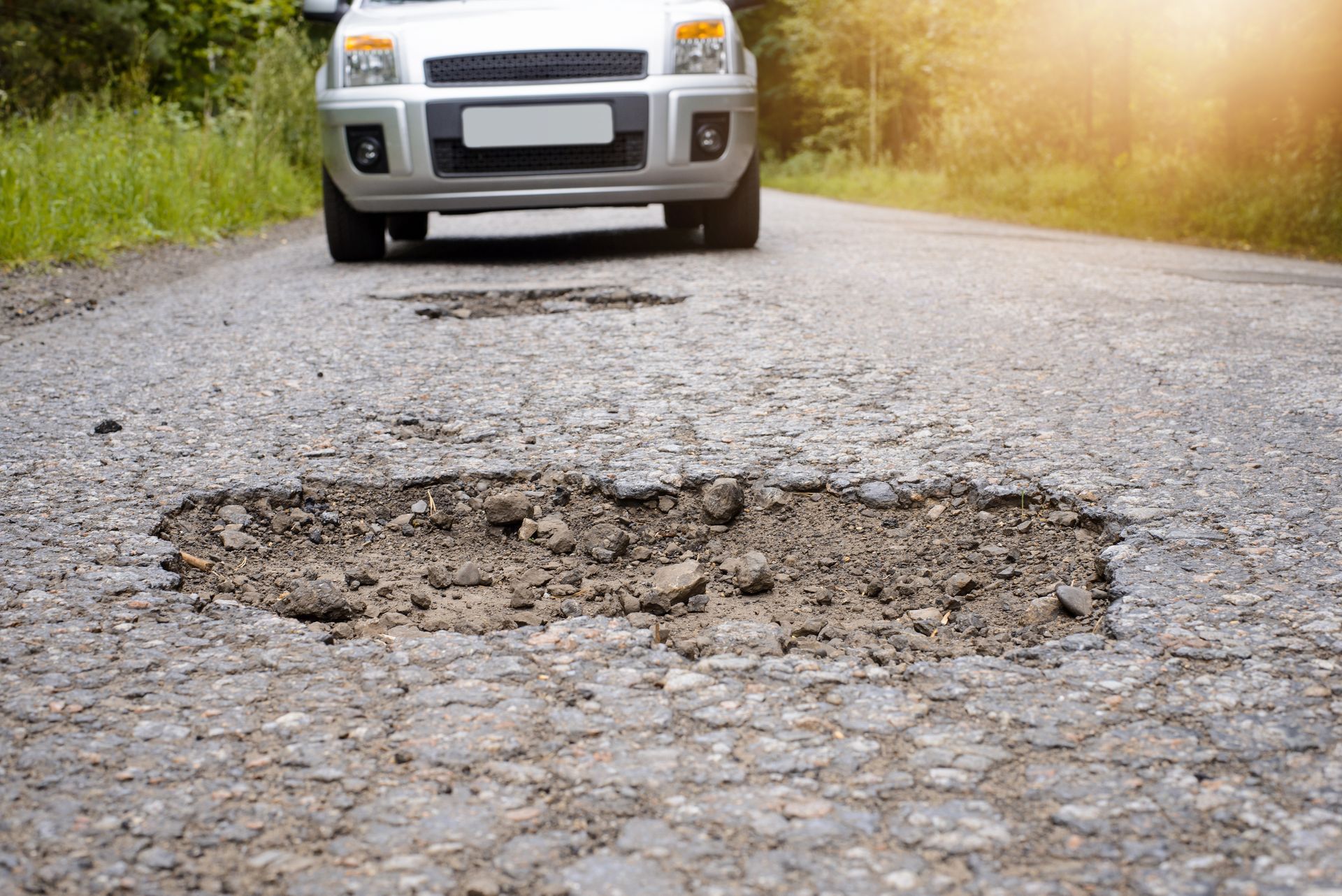
A quiet road can conceal debris, wildlife, a disabled vehicle, standing water, or an approaching curve that isn't visible yet. Road crews and emergency vehicles may also be present with little warning. Your eyes and brain need time to identify a hazard, and the car continues moving throughout that reaction. The faster you're traveling, the more ground disappears before you even touch the brake pedal.
On a route with limited lighting, you may not see a problem until it enters the range of your headlights. Driving faster than the distance you can clearly see and stop within leaves very little margin. Don't rely on an empty lane ahead as evidence that the next half mile is free of hazards. Choose a speed consistent with visibility, road conditions, and posted limits, even when the drive seems routine.
Speed Increases the Distance Needed to Stop
Stopping distance includes both reaction distance and the distance the vehicle travels while braking. At higher speeds, the reaction portion grows because the car travels farther during the same decision interval. Braking distance also rises rapidly as speed increases under similar conditions. Doubling speed can require roughly four times the braking distance in a simplified constant-deceleration example, not merely twice as much.
That relationship doesn't guarantee a specific number of feet for every vehicle. Tire grip, brake condition, road slope, and pavement all change actual results. A dry, empty highway doesn't remove those variables. Leave adequate sight distance and avoid assuming that stronger brakes make high speeds harmless. Our inspection can identify worn tires, brake faults, and suspension problems, but even perfectly serviced components operate within physical limits.
Higher Speed Raises the Severity of a Crash
A moving vehicle carries kinetic energy, and that energy rises with the square of speed for a given mass. In a collision, the vehicle structure, restraints, and surroundings must manage the energy involved. Increasing speed therefore changes more than the chance of missing a hazard. It can also increase the force and severity of an impact even when only one vehicle is involved.
Seat belts, airbags, and crash structures are essential protections, but they don't eliminate the consequences of excessive speed. A guardrail, pole, ditch, or tree can become the collision partner on an otherwise empty road. Avoid treating vehicle size or advanced safety features as permission to exceed safe limits. These systems protect within real-world limits, and reducing speed preserves a margin before any of them are needed.
Road Conditions Don't Stay Constant
A sunny stretch may lead to shaded pavement with frost, a wet bridge, loose gravel, or a sharp change in surface texture. In the Tacoma area, rain can reduce tire grip and visibility without much warning. Crosswinds and standing water add handling demands, especially for taller vehicles and RVs. The faster you're traveling, the less time there is to adjust to those changes predictably.
Hydroplaning depends on factors including speed, water depth, and tire condition. It doesn't happen at one universal speed for every vehicle. Reduce speed before entering visibly wet or uncertain conditions and avoid sudden steering or braking inputs. Tire tread, inflation, and suspension conditions need maintenance, but none can guarantee traction through deep standing water. If weather or visibility deteriorates, slow down and use a safe place to stop when necessary.
Mechanical Problems Become Harder to Manage
Tire failures, steering faults, and brake problems can be dangerous at any speed. Higher speed reduces the time available to recognize a vibration or handling change and reach a safe stopping location. An overloaded vehicle, underinflated tire, or worn suspension component adds another concern during long travel. RVs and loaded trucks need particular care because mass, loading, and braking characteristics differ from those of a small passenger car.
Before a highway trip, note these conditions:
- Correct tire pressure and no visible damage
- Adequate tread without severe uneven wear
- Normal brake pedal response and no grinding
- No new steering looseness or vibration
- Cargo secured within the vehicle's load limits
Our inspection connects unusual wear, loose parts, or brake symptoms to specific findings. A pre-trip inspection helps identify mechanical issues that increase risk. It doesn't turn excessive speed into a safe choice. If a new vibration or tire warning appears, slow down safely and arrange evaluation before continuing at highway pace.
The Right Speed Depends on More Than the Speedometer
A posted speed limit isn't a requirement to drive that fast during rain, fog, darkness, or other reduced-grip conditions. At the same time, unexpectedly crawling in a high-speed lane can create conflicts, so choose a legal, predictable pace suited to traffic and conditions. Keep adequate following space, use signals early, and avoid aggressive corrections when the road ahead changes. Give yourself enough time to reach the destination without rushing.
Regular maintenance and inspection support reliable brakes, tires, lights, and steering. Those systems help you respond when something unexpected happens, but they cannot shorten the time your brain needs to recognize a hazard. The open road may feel forgiving, yet the physics of stopping and impact never take a day off. Safer speed choices protect you even when no other cars are in sight.
Get Highway Safety and Vehicle Inspection in Tacoma, WA, With Genesis Automotive and RV Repair
Genesis Automotive and RV Repair in Tacoma, WA helps drivers review tire, brake, steering, and load-related safety concerns. We explain the inspection findings and the recommendations supported by the vehicle's condition.
Call
Genesis Automotive and RV Repair or schedule an appointment online.